
Has the constant mental battle with food taken over your life?
Does every meal feel like a negotiation? Do you find yourself calculating, measuring, monitoring, restricting - or swinging the other way and feeling completely out of control? Maybe your relationship with food and your body consumes so much energy that there's little left for anything else, and you feel trapped in rigid rules, persistent guilt, and a relentless inner voice that says you're never good enough.
Perhaps you look as if you have it all together and present a calm, capable exterior, but inside you're battling thoughts about food, weight, and appearance that never fully quiet down. You might be living with a crippling need to be perfect, a constant fear of judgment, or unrelenting self-criticism - feelings that run so deep that they've found their way into every aspect of your life. And you may have tried to "fix" it on your own, but found that the harder you try to control everything, the more stuck and exhausted you become.
You might have a name for what you're experiencing - anorexia, bulimia, binge eating disorder, disordered eating, restrictive eating, food phobia, or body dysmorphia. And while these can be helpful, the struggles you're facing are rarely just about food and your body. They're not even just about perfectionism, impossible standards or self-criticism.
Instead, they're a deep-rooted response to old patterns, unmet needs, insecure attachment, boundaries that were never established, and ways of relating to yourself that were learned a long time ago. Ultimately, food and your body have become the battleground for feelings that have nowhere else to go.
If you'd like to hear more about this, it would be lovely to talk.
You might be experiencing:
-
Preoccupation with food, calories, weight, or body shape.
-
Rules and rituals around eating that feel impossible to break.
-
Feelings of guilt, shame, or anxiety before, during, or after meals.
-
Avoidance of social situations where food is present.
-
Body checking behaviours, comparison with others, or distorted body perception.
-
Cycles of restriction, bingeing, purging, or chaotic eating.
-
Feeling caught between the need for control and the fear of losing it.
-
Aversion to certain foods or extreme selectivity.
-
A belief that your worth depends on your weight or appearance.


But what if you could...
Eat without anxiety or mental negotiation.
Trust your body's signals instead of ignoring or overriding them.
Look in the mirror without immediate criticism or distress.
Feel at ease in social situations involving food.
Make food choices based on what you need and want, not on what you "should" or "ought to" have.
Experience your body as something that deserves care, not punishment.
Build a life where food is just food - nourishing, enjoyable, and no longer the centre of everything.
This isn't about trying another meal plan, another diet, or searching for more "willpower". It's about understanding what's really driving your relationship with food and your body, addressing the emotional and psychological patterns underneath, and building a way of living that feels genuinely sustainable and kind.
If this sounds like something that could help, I'd really like to hear from you.
How do I know this?
Because I spent years battling with food and my body when I was younger. Throughout my teens, I turned to comfort eating as a way to manage feelings I didn't know how to express - the loneliness from being bullied, the low self-esteem, the constant sense that I didn't belong. Food became a way to soothe myself when everything felt too much.
And when I went to university, the academic expectations, the pressure to fit in and the stress of constant deadlines and exams tipped comfort eating into something more serious. I developed an eating disorder, and what had once been about comfort was now about control, punishment, and managing overwhelming emotions I had nowhere else to put. It took time, but I recovered.
So I know the exhaustion of the constant mental battle. I know the shame that comes with feeling like you can't just "eat normally." I know what it's like when food becomes the outlet for perfectionism, anxiety, and the desperate need to prove you're good enough. And I know that recovery isn't about more control or stricter rules - it's about understanding what you're really trying to manage through food, and finding gentler, more authentic ways to care for yourself.
If you'd like to know more about my full recovery journey and how it shaped my approach, you can read more on my Working With Me page.
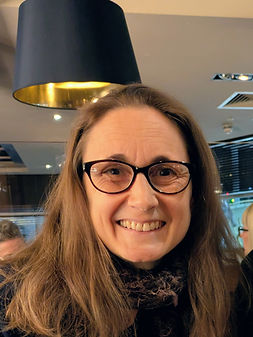
Recovery in my clients' own words
"Before I worked with Nic, every day felt like a cycle of shame and self hatred, but she allowed me to openly discuss very personal issues without me feeling more of the same. Now I love my body and enjoy what it can do for me." - Hannah B
“A few years ago, I was the heaviest that I had ever been! The shock and horror of what the weight scale was showing led me down this downward spiral of cutting out food groups, only eating one meal a day, and serious calorie restriction - it helped bring my weight down, but I found myself struggling with lethargy, brain fog, motivation and anxiety. I had formed a terrible relationship with food and had to even force down that one meal a day. Nic gently coached me into a more balanced and healthier relationship with food, I now eat 3 meals a day, I am happier, I have more energy and my general outlook on life is so much brighter!” - Victoria P
My professional background
I'm a counselling psychologist and wellbeing coach with a Professional Doctorate in Counselling Psychology, a Master's in Health Psychology, and a BSc in Psychology. I'm also a Chrysalis Effect Wellbeing Coach and Specialist Practitioner in CFS/ME, Fibromyalgia and Long COVID, and I'm trained in EFT, Matrix Reimprinting, Belief Coding, and NLP.
My research background includes a Master's dissertation and published paper exploring couples' lived experience of fibromyalgia, and a PhD thesis and published papers exploring the lived experiences of people with anorexia nervosa.
I've worked with clients in the NHS, in eating disorder and trauma clinics, in the voluntary sector and in private practice. And I specialise in helping people navigate the psychological and emotional patterns that underlie chronic fatigue, burnout, and eating disorders.
I combine clinical expertise with a genuine understanding of what it's like to feel fundamentally exhausted, trapped, and alone. My approach is holistic, trauma-informed, neurodivergent aware, and tailored entirely to you. And, as I’m part of a network of practitioners, I can recommend one of my trusted team - nutritional therapists, bodywork specialists, and others who understand chronic fatigue and eating disorders, so you can access comprehensive support for your recovery journey.
If this feels like it could be useful, it would be a pleasure to talk to you.
Your path to recovery
I offer long-term, personalised support packages designed around your needs, your challenges, and what you want to work on. Whether you want six weeks of support or six months, we'll create something that genuinely fits your life and your recovery.
Initial packages typically include six to twelve hour-long weekly sessions to build the consistency and momentum needed to make real progress possible. Many clients extend beyond this to continue deepening their recovery work - building on the foundations they've established, maintaining the momentum they've gained, and working through the more entrenched patterns around control, comparisons, and perfectionism that take longer to heal.
If you'd like additional support between sessions, your package can also include regular mid-week check-ins via WhatsApp or text - opportunities to catch up and share how things are going, ask questions, or get reassurance if you need it.
Each package includes:
-
Weekly online sessions with me, a specialist practitioner who has personal experience of recovering from an eating disorder. You’ll be working with someone who understands the mental conflict you’re going through and is committed to helping you find freedom from food and body image battles.
• Coaching to help you develop practical strategies for the challenges you’re facing. This could include things like navigating difficult meals, responding to triggers, handling comparisons, or managing overwhelming moments.
• Counselling to explore the deeper emotional patterns driving your relationship with food and your body. We’ll look at the thoughts, feelings, and beliefs that keep you caught in unhelpful cycles so you can begin shifting them safely.
• Personalised resources chosen for where you are right now. You'll receive articles, handouts, and recommendations (books, websites, apps) that support the specific work we're doing together.
• A holistic, trauma-informed approach that works with the whole of you, not just the parts that are struggling with food and your body. This means we’ll explore things like perfectionism, self-criticism, and the need to feel in control, so that you can build a kinder, more grounded way of relating to yourself.
Everything we do will be designed around your life, your challenges, and what matters most to you. Together, we'll focus on understanding what you've been trying to manage through food and your body, so you can find more sustainable ways to meet those needs, begin to trust yourself, and find some peace.
How it works
01.
Start with a complimentary 30-minute call where you can ask questions, share what you're experiencing, and see if we feel like a good fit. This is an informal conversation where you'll be able to explore the type of support you're looking for and whether my approach might work for you. And if you'd like to take things further, we can then arrange an initial consultation.
02.
Have an initial consultation
This is a one-hour session (which costs £125) where we'll talk in more depth about what you want to work on, your needs, and the type of support you're looking for. After our conversation, I'll design a bespoke support plan with options tailored specifically to you - the number of sessions, the frequency, and the level of between-session support that would work best. I'll send this to you so you can review the options and decide which feels right.
03.
Start your recovery journey
Once you've chosen your package, we'll schedule your sessions and begin the work of understanding what's been happening, noticing patterns, and building approaches that genuinely support your recovery. You'll have continuity, the level of support you've chosen, and someone who appreciates what you're facing and believes in your recovery (even on the days when you don't).
Who I work with
I work with adults (18+) experiencing exhaustive conditions, including:
-
Anorexia Nervosa
-
Bulimia Nervosa
-
Binge Eating Disorder (BED)
-
Other Specified Feeding or Eating Disorder (OSFED)
-
Disordered Eating
-
Restrictive Eating and Food Phobias
-
Body Dysmorphia
-
Body Image Difficulties
If you're experiencing any of these conditions, or something related that isn't mentioned here, and you would like to find out if I can help, please do get in touch.